
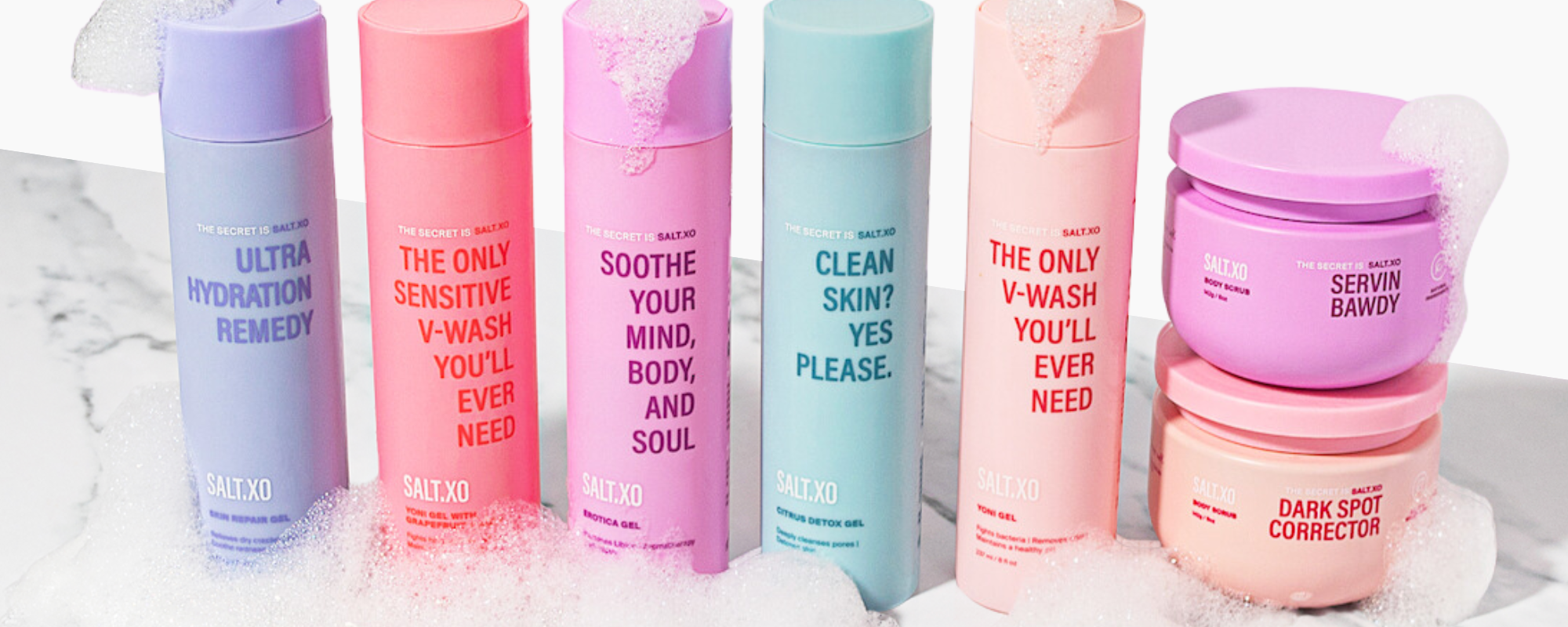
To BV or Not To BV 👀 The pitfalls of self-diagnosis

Can Diet or Supplements Affect Vaginal Odor or Discharge? What’s Normal vs a Sign of Infection
Diet or supplements may influence odor or discharge indirectly through hydration, sweat, urine odor, or microbiome changes, but strong fishy odor, unusual color, itching, burning, or thick clumpy discharge are more likely signs of BV, yeast, or another infection. If symptoms change significantly, get checked.
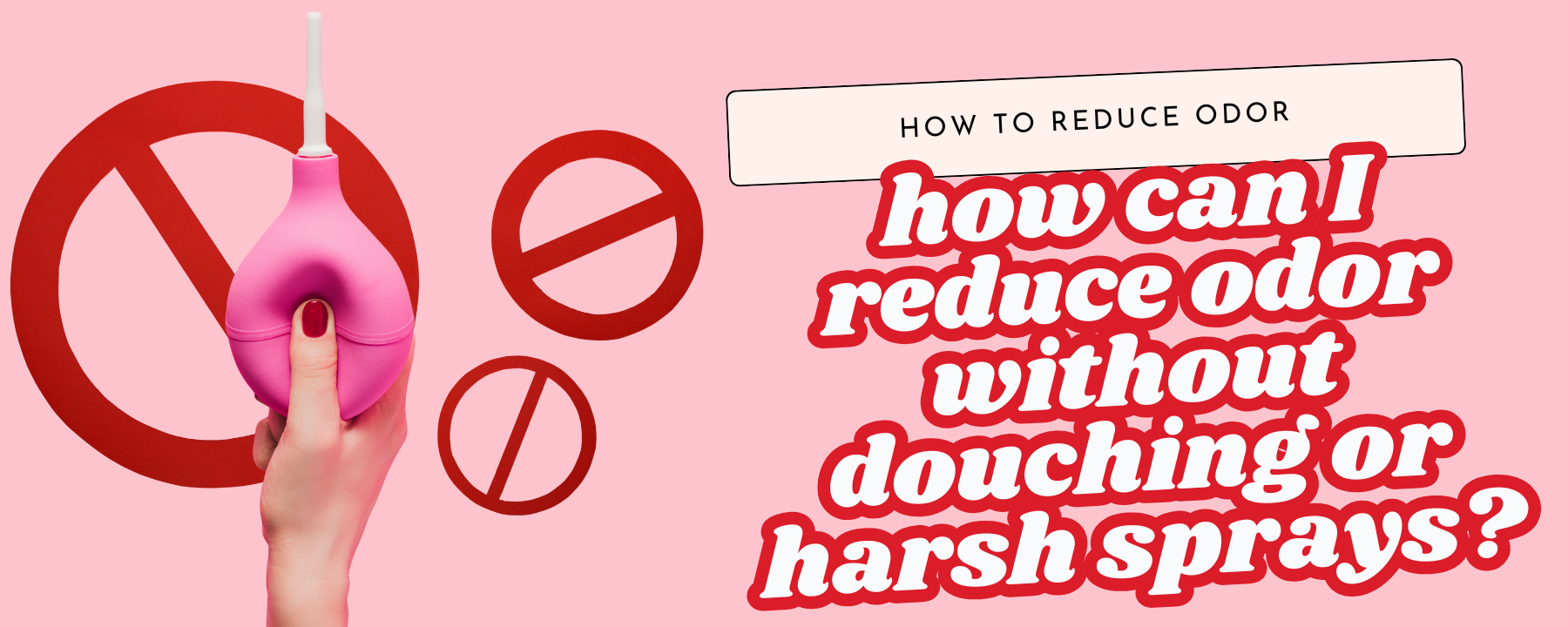
How Can I Reduce Odor Without Douching or Harsh Sprays?
To reduce odor without douching or perfume, keep care external-only: rinse with water, use a pea-size fragrance-free, pH-considerate wash on the vulva only, manage moisture (change damp clothes, breathable cotton), and use alcohol-free wipes between rinses. Fishy + thin gray, intense itch + clumps, green/yellow, pain/fever, or forgotten tampon = clinician. Recurrent BV/yeast? Ask about clinician-guided boric acid.
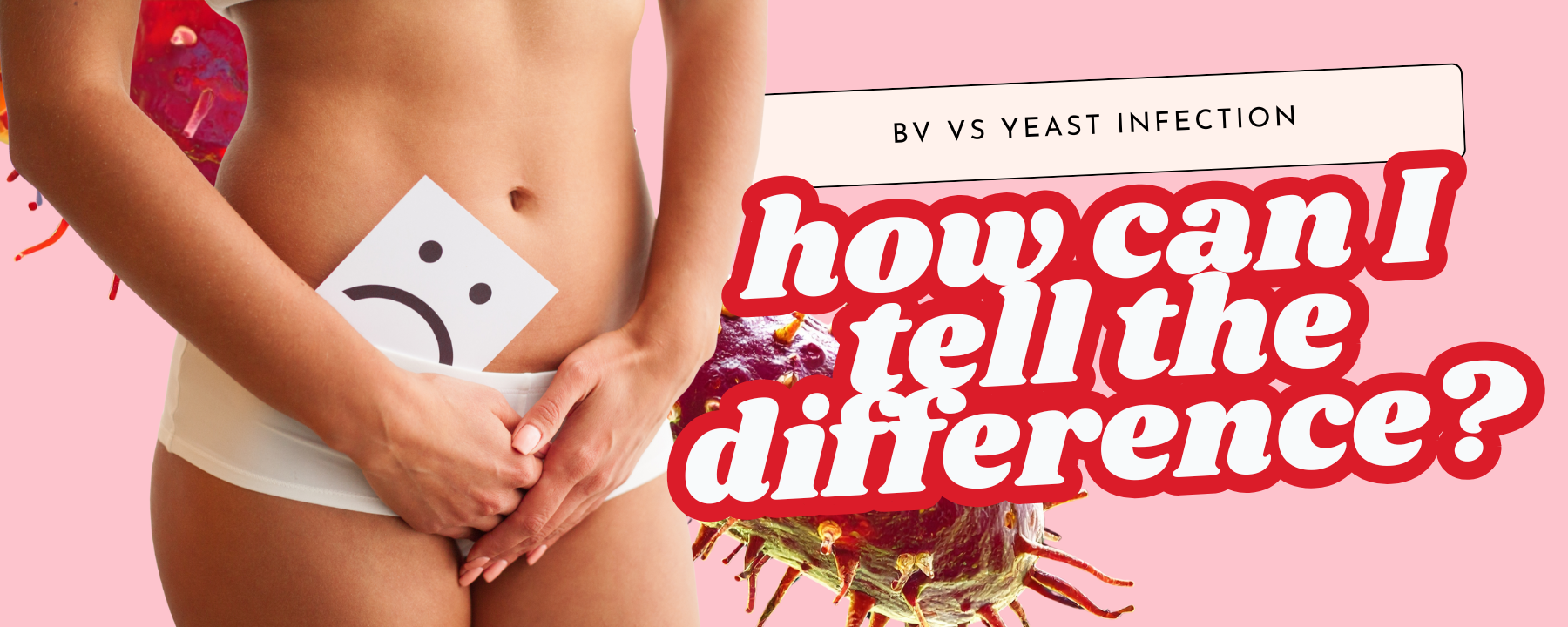
BV vs. yeast infection: how can I tell the difference?
BV usually causes a thin gray/white discharge with a strong fishy odor and a vaginal pH above 4.5, with little or no itch. Yeast infections often cause intense vulvar itch, redness, and thick “cottage-cheese” discharge, with normal pH (≤4.5). Testing and diagnosis come from a clinician; skip douching.

How do I cleanse after sex to reduce irritation without disrupting pH?
Rinse the vulva (outside only) with warm water, then pat dry. If you want a cleanser, use a fragrance-free, pH-considerate wash sparingly—never douche. Urinate soon after sex, swap damp fabrics for breathable underwear, and skip perfumed sprays. See a clinician for strong odor, unusual discharge, pain, or fever.
How Often Should I Wash My Vulva? Is Water Enough?
Once daily is enough for most people—external skin only—using warm water and clean hands. If you prefer a cleanser, choose a fragrance-free, pH-considerate wash and use it sparingly. After workouts, periods, or sex, rinse externally and pat dry. Never douche or wash inside the vagina.

Should I Use Washcloths, Loofahs, or Hands Only on the Vulva?
-
Hands or soft washcloth = yes (external only).
-
Loofahs/poufs = no on the genital area (bacteria + abrasion).
-
The vagina is self-cleaning—do not wash inside or douche.
-
If you notice strong new odor, unusual discharge, itching, pain, or bleeding, see a clinician.
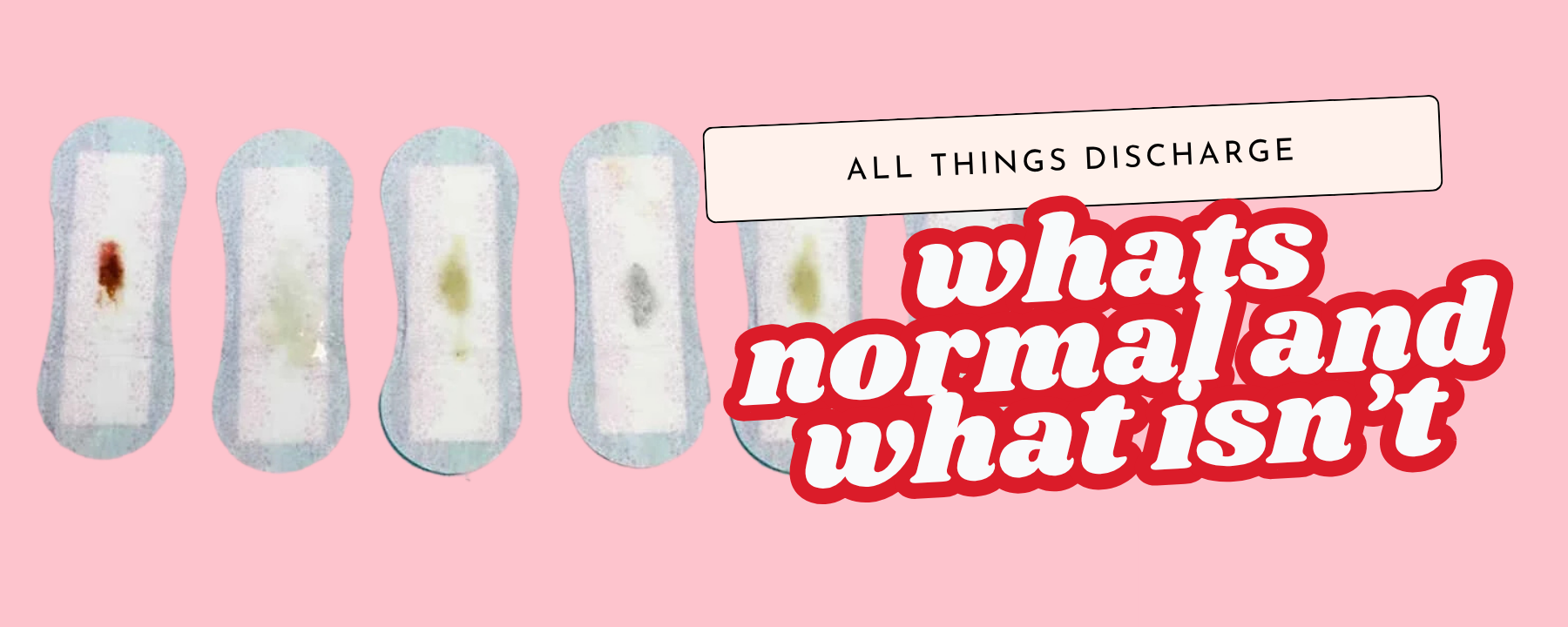
What’s “Normal” Discharge Color/Texture—and What Isn’t?
-
Normal: clear→milky white; mild scent; texture varies during the cycle.
-
Not normal: gray/fishy (BV), thick white + itch (yeast), green/yellow frothy (trich).
-
Do: gentle external cleansing only (never inside); avoid douching; call a clinician for persistent changes.