
How Can I Reduce Odor Without Douching or Harsh Sprays?
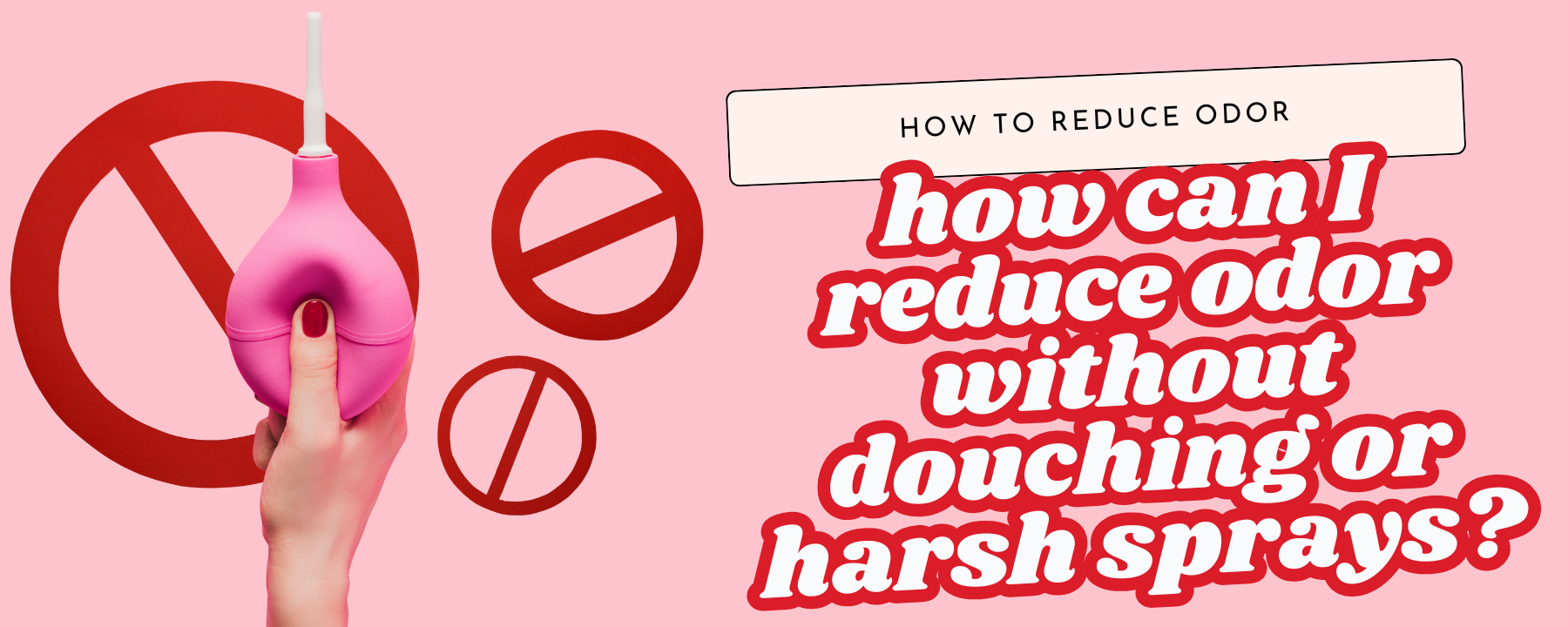
To reduce odor without douching or perfume, keep care external-only. Rinse with water, use a pea-size amount of a fragrance-free, pH-considerate wash on the vulva only, manage moisture (change damp clothes, breathable cotton), and use alcohol-free wipes between rinses. Fishy + thin gray discharge, intense itch + clumps, green/yellow discharge, pain/fever, or a forgotten tampon = clinician. Recurrent BV/yeast? Ask about clinician-guided boric acid.
TL;DR
External-only, water-first routine. Gentle cleanser sparingly. Alcohol-free wipes on the go. Moisture + friction control. Never douche or spray perfume on the vulva. Red flags → clinician. For recurrent BV/yeast diagnosed by a clinician, boric acid may be an adjunct—not a deodorizer.
Reduce Vaginal Odor Without Douching: The 60-Second Checklist
-
External-only, water-first rinse
-
Tiny, fragrance-free, pH-considerate gel on the vulva (optional), rinse well
-
Alcohol-free wipe if no sink (external only), switch back to water ASAP
-
Moisture control: change damp clothes fast; breathable cotton
-
Red flags → clinician
-
Recurrent BV/yeast? Discuss boric acid adjunct with a clinician
Why Odor Happens (What’s Normal vs Red Flag)
The vagina is self-cleaning. Healthy internal pH (~3.8–4.5) and Lactobacillus naturally moderate odor.
Normal, short-lived shifts: metallic near period (oxidized blood), mild musky after sweat, brief changes after sex.
Red flags: fishy with thin gray discharge (BV), intense itch + thick white clumps (yeast), green/yellow frothy discharge (possible STI), foul odor with pelvic pain/fever, retained tampon.
What to Do Today—Odor-Safe Routine (No Sprays, No Douching)
Morning: water-first. If desired, use a pea-size of fragrance-free, pH-considerate wash on external skin; rinse well.
Daytime: if there’s no sink, use one alcohol-free wipe externally as a bridge; switch back to water ASAP.
Night: rinse, pat dry, reduce friction (soft fabrics; a light external oil if skin chafes).
Irritated? Soothe external skin.
New product? Patch-test first.
Wipes vs Water On the Go
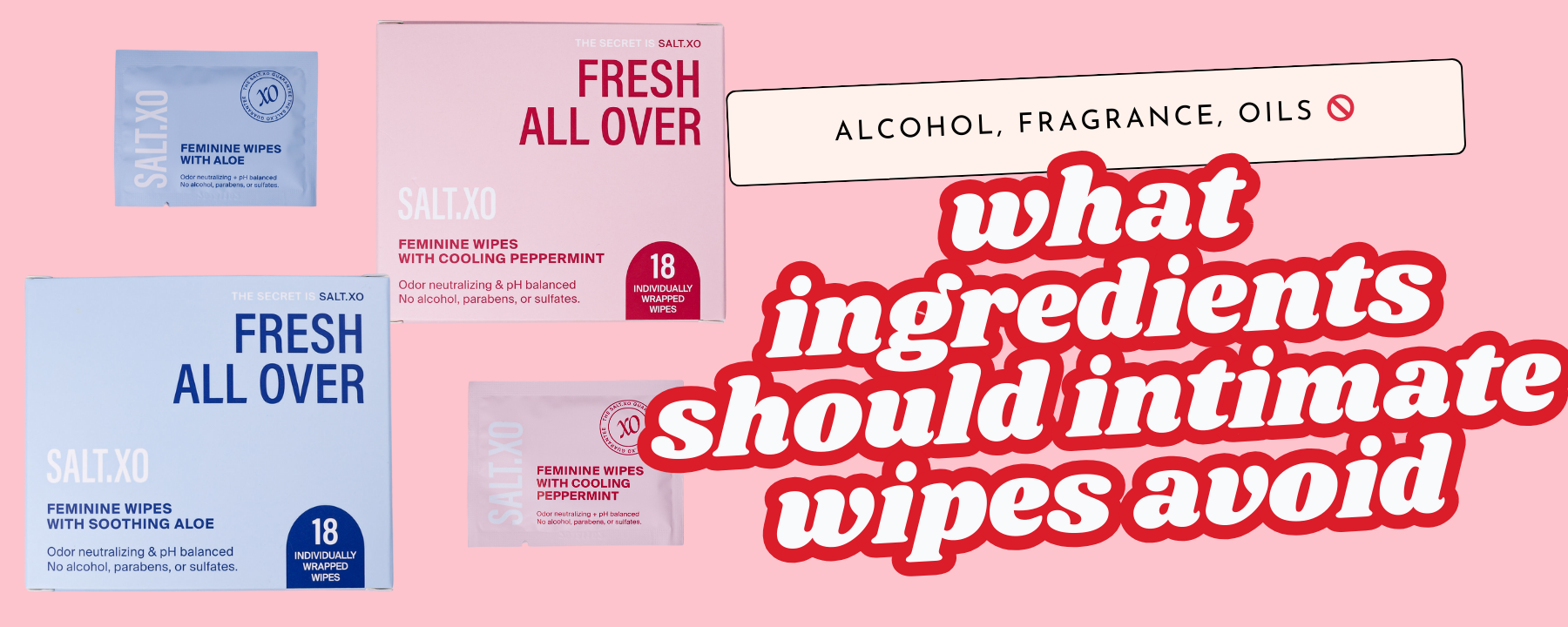
Water wins when it’s available—no residue, lowest irritation risk. Between sinks, alcohol-free, external-only wipes are fine. Wipe front-to-back, don’t flush, and return to water as soon as you can.
Ingredients to Seek vs Avoid
Seek: mild glucosides, betaine, glycerin, aloe, cucumber.
Avoid: fragrance/parfum, alcohol denat, SLS/SLES, talc/powders, deodorant sprays on vulvar skin.
When (and When Not) to Consider Boric Acid Suppositories
What they are: intravaginal capsules used adjunctively for clinician-diagnosed recurrent BV or yeast, especially after standard therapy. Not a deodorizer or first-line fix.
Appropriate: recurrent BV/yeast under clinician guidance; persistent symptoms after appropriate treatment.
Not appropriate: pregnancy or trying to conceive, undiagnosed symptoms, suspected STI, retained tampon concern, ingestion risk. Stop if irritation occurs.
Gym, Period, Sex, Swim—Mini Playbooks
After sex: external water rinse; optional pea-size gentle gel on external skin; no internal washing.
Workout/swim: use one external alcohol-free wipe if needed, then change out of damp clothing immediately.
Period: change products more often; water-first external rinse.
Travel/work/school: individually wrapped wipes and breathable underwear.
Worry or Wait? Quick Decision Table
|
Situation |
Best pH-safe move |
Why it helps |
Watch-outs |
|
Daily freshness |
Water-first; pea-size gentle gel (external only) |
Clears sweat/buildup without residue |
Over-washing can dry skin |
|
On the go |
Alcohol-free wipe (external only) |
Portable, low-residue bridge |
Avoid fragrance/alcohol; don’t overuse |
|
Post-workout/swim |
Change damp clothes; rinse soon |
Moisture control reduces odor |
Tight synthetics trap sweat |
|
After sex |
External water rinse; gentle gel if desired |
Fluids are alkaline; brief reset |
Never internal washing |
|
Sensitive days |
Fragrance-free/seedless formulas |
Lower irritation risk |
Patch-test first |
|
Recurrent BV/yeast |
Clinician-guided boric acid (adjunct) |
Helps recurrent cases after standard care |
Not for pregnancy; not a deodorizer |
FAQs
What actually causes fishy odor?
Fishy odor with thin gray discharge is commonly associated with bacterial vaginosis (BV). Get evaluated.
Can diet or chlorophyll help with odor?
Some notice benefits, but evidence varies. Prioritize pH-safe hygiene and moisture control; consider Chlorophyll Capsules as inside-out support. See a clinician for persistent odor.
Can I use essential oils or perfume on the vulva?
Skip them. Perfumed sprays and high-dose essential oils can irritate vulvar skin. Keep care external-only and choose gentle, fragrance-free products if sensitive.
How often should I wash the vulva?
Once daily is usually enough; more often after heavy sweat. Use water-first and a pea-size of gentle cleanser externally only.
Are scented wipes safe?
Choose alcohol-free, low-residue wipes and use them externally and sparingly; return to water when possible.
When are boric acid suppositories appropriate—and when are they not?
They’re an intravaginal, clinician-guided adjunct for recurrent BV/yeast after standard therapy. Not a cosmetic deodorizer, and not for pregnancy.
Conclusion
If you’re trying to reduce vaginal odor without douching, keep it simple: external-only care, water-first, a tiny amount of gentle wash, moisture control, and alcohol-free wipes between sinks. Treat red flags as clinical. For recurrent, clinician-diagnosed BV/yeast, ask about boric acid as an adjunct—not a deodorizer.
Medical Disclaimer
Educational only—not a substitute for medical advice, diagnosis, or treatment. Seek care promptly for fishy odor with thin gray discharge (BV), intense itch with clumpy discharge (yeast), green/yellow frothy discharge, strong foul odor with pain/fever, or possible retained tampon. If odor is recurrent after treatment, ask your clinician about boric acid suppositories as an adjunct option.

Comments