To BV or Not To BV 👀 The pitfalls of self-diagnosis
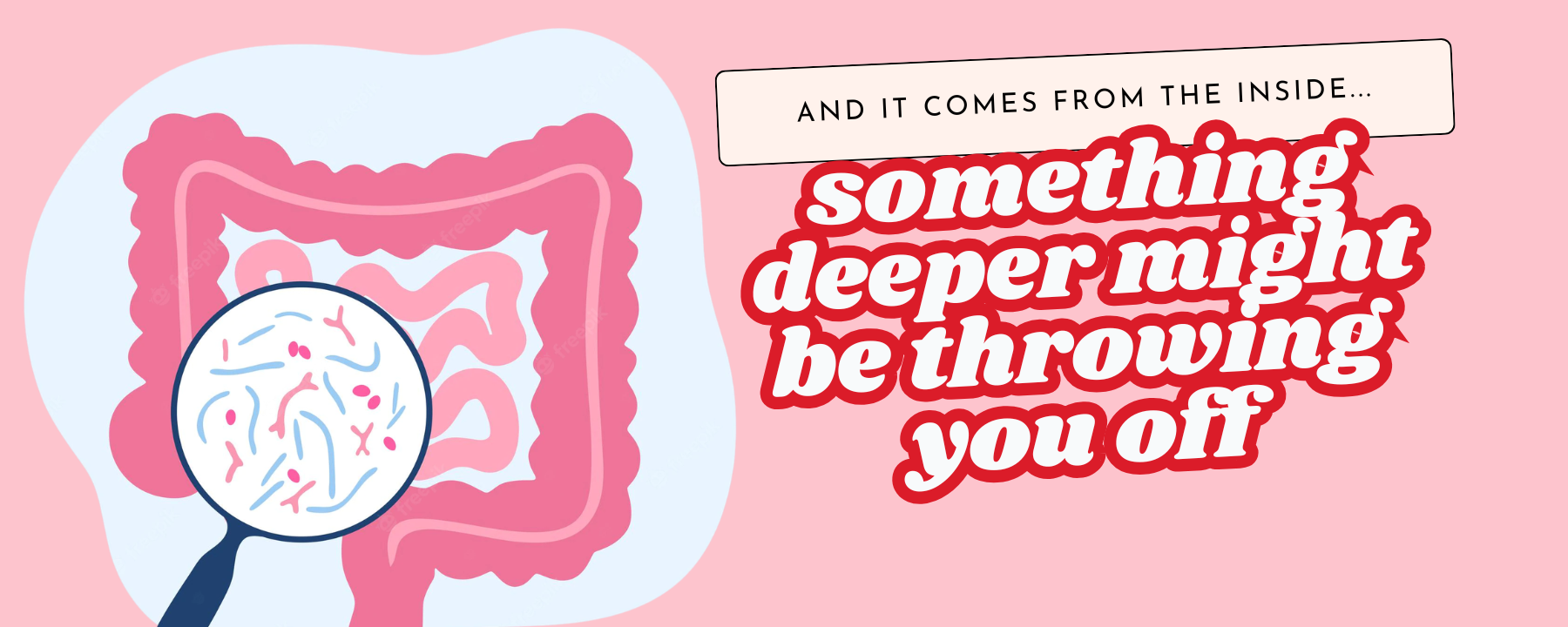
Something Deeper Might Be Throwing You Off — And It Comes From The Inside
Bloating, recurring UTIs, BV that keeps coming back, constant pH restarting — your gut microbiome affects more than you think. Here's what's really going on and how to fix it from the inside out.

Can Diet or Supplements Affect Vaginal Odor or Discharge? What’s Normal vs a Sign of Infection
Diet or supplements may influence odor or discharge indirectly through hydration, sweat, urine odor, or microbiome changes, but strong fishy odor, unusual color, itching, burning, or thick clumpy discharge are more likely signs of BV, yeast, or another infection. If symptoms change significantly, get checked.
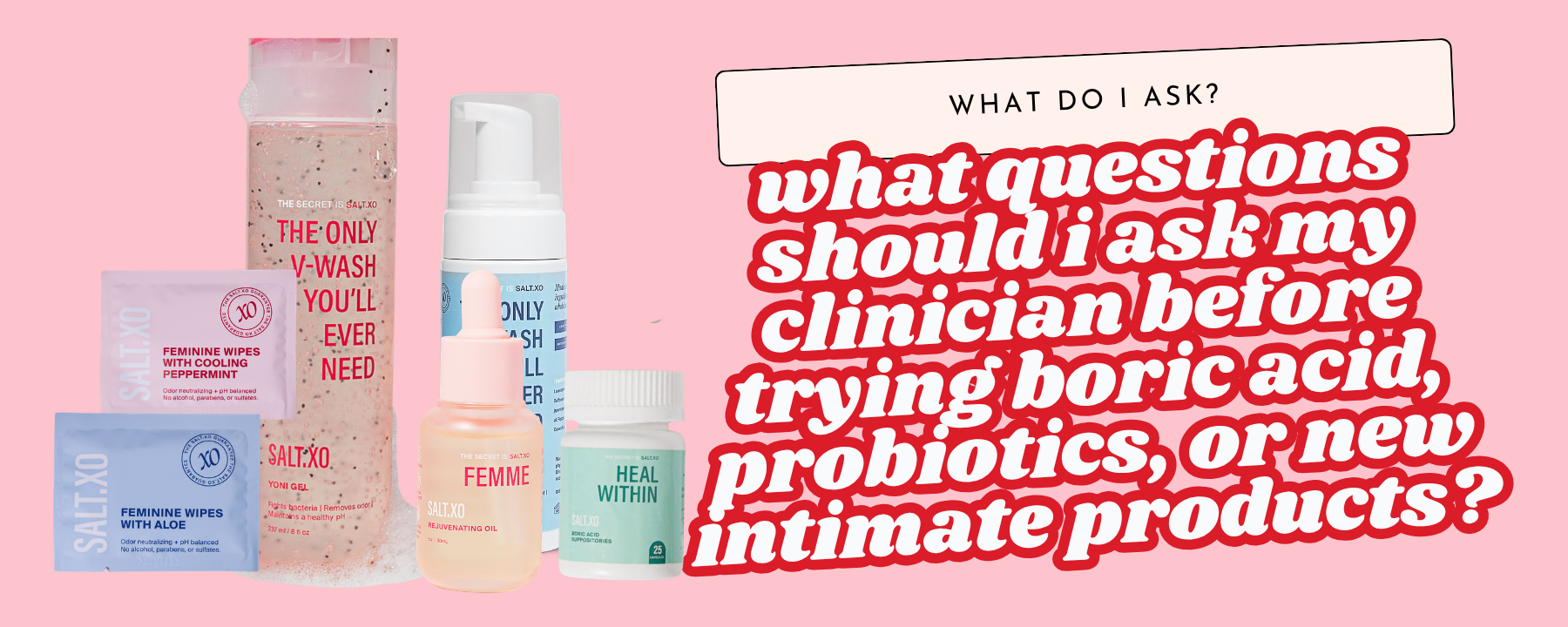
What Questions Should I Ask My Clinician Before Trying Boric Acid, Probiotics, or New Intimate Products?
Before trying boric acid, probiotics, or a new intimate product, ask your clinician: “What’s the diagnosis (BV, yeast, STI, dermatitis)? What test confirms it? Is boric acid appropriate for me—especially if pregnant? What are side effects and stop signs? Which probiotic strains and dose have evidence? What’s safe externally while I treat the cause?”
What should be in a discreet “freshen-up” kit for flights or long days?
A discreet freshen-up kit should include alcohol-free wipes, a TSA-compliant 3.4oz cleanser, a small aftercare oil for friction, spare underwear/liner, and a travel bag to keep it private. Freshen up externally only and avoid douching or perfumed sprays. For carry-ons, follow TSA’s 3.4oz liquids rule.

How soon should I change out of wet swimsuits or sweaty gym clothes?
Change out of wet swimsuits or sweaty gym clothes as soon as possible. Warm, damp fabric can create a yeast/bacteria-friendly environment. If you can’t change immediately, rinse when possible, gently dry the vulvar area, and switch to breathable underwear as soon as you can. If you get itching, burning, abnormal discharge, or strong odor, see a clinician.
How often should I change tampons or pads to avoid odor or TSS risk?
Change tampons every 4–8 hours and never wear one longer than 8 hours. Change pads regularly and more often when saturated to reduce odor and irritation. Use the lowest absorbency that works and wash hands before/after insertion. Fever, rash, vomiting, dizziness, or severe pain are red flags—seek care.
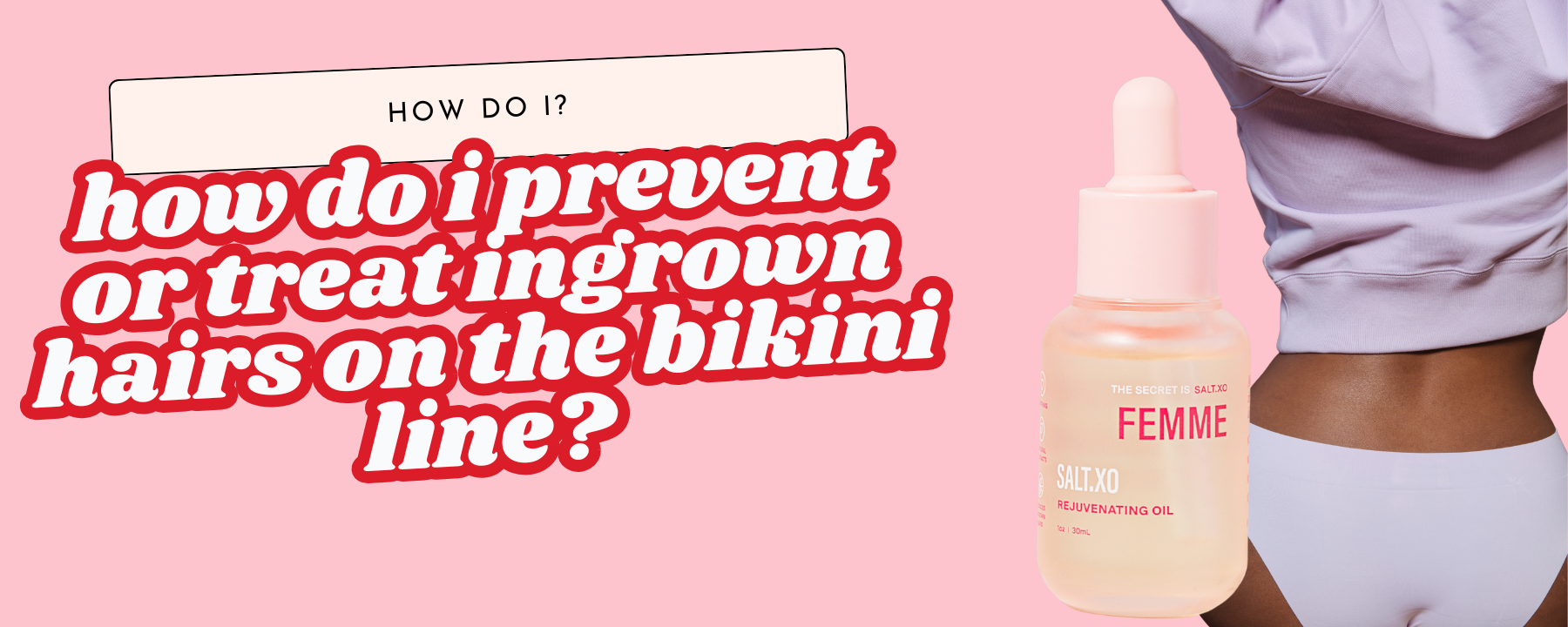
How Do I Prevent or Treat Ingrown Hairs on the Bikini Line?
To prevent bikini line ingrown hairs, shave with the grain, use a sharp blade, limit passes, and avoid tight clothing right after hair removal. To treat ingrowns, use a warm compress for 10–15 minutes and don’t pick. If you have pus, spreading redness, severe pain, fever, or sores, see a clinician. For post-shave friction and irritation on external skin, use a soothing aftercare step like Femme Rejuv Oil.
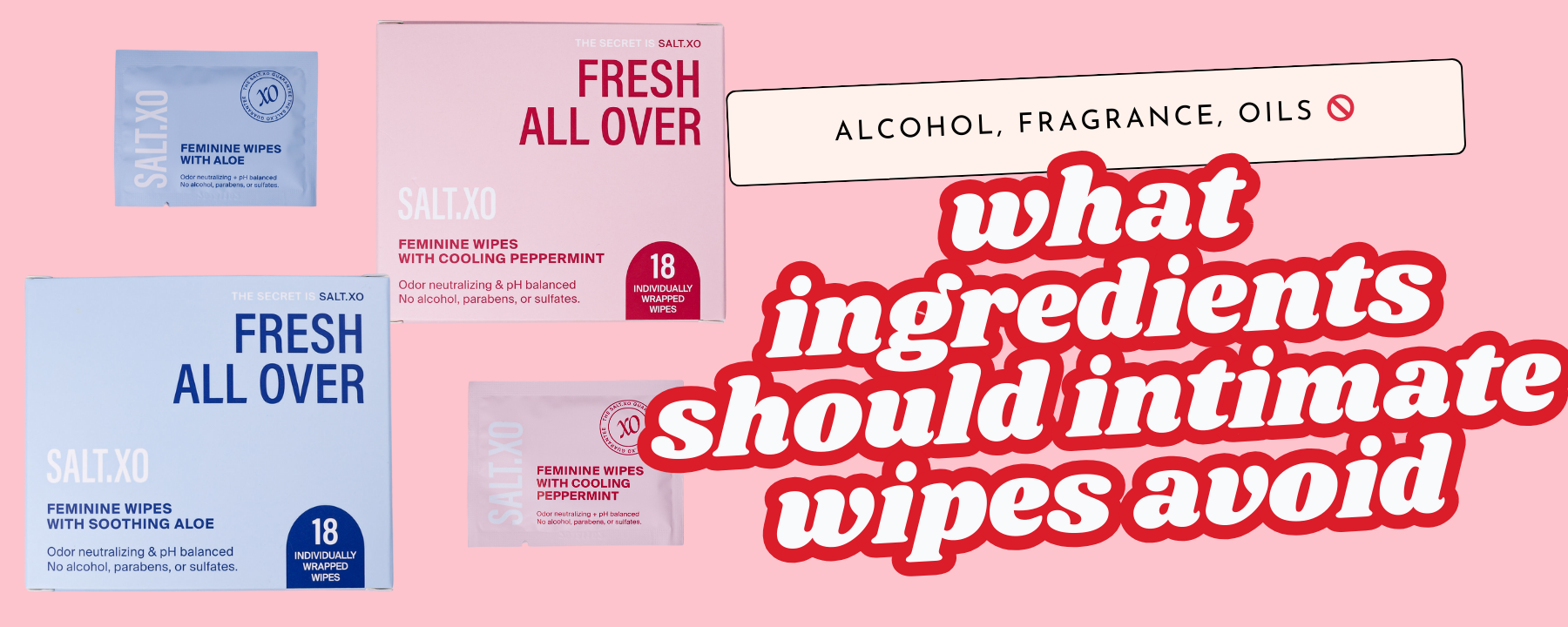
What Ingredients Should Intimate Wipes Avoid (Alcohol, Fragrance, Oils)?
For intimate wipes, avoid alcohol, strong fragrance/perfume, and harsh preservatives that can sting or disrupt balance. Choose alcohol-free, low-residue, pH-considerate wipes with short ingredient lists, and use them externally only as a bridge until you can rinse with water. If a wipe burns, stop, rinse, and patch-test next time.
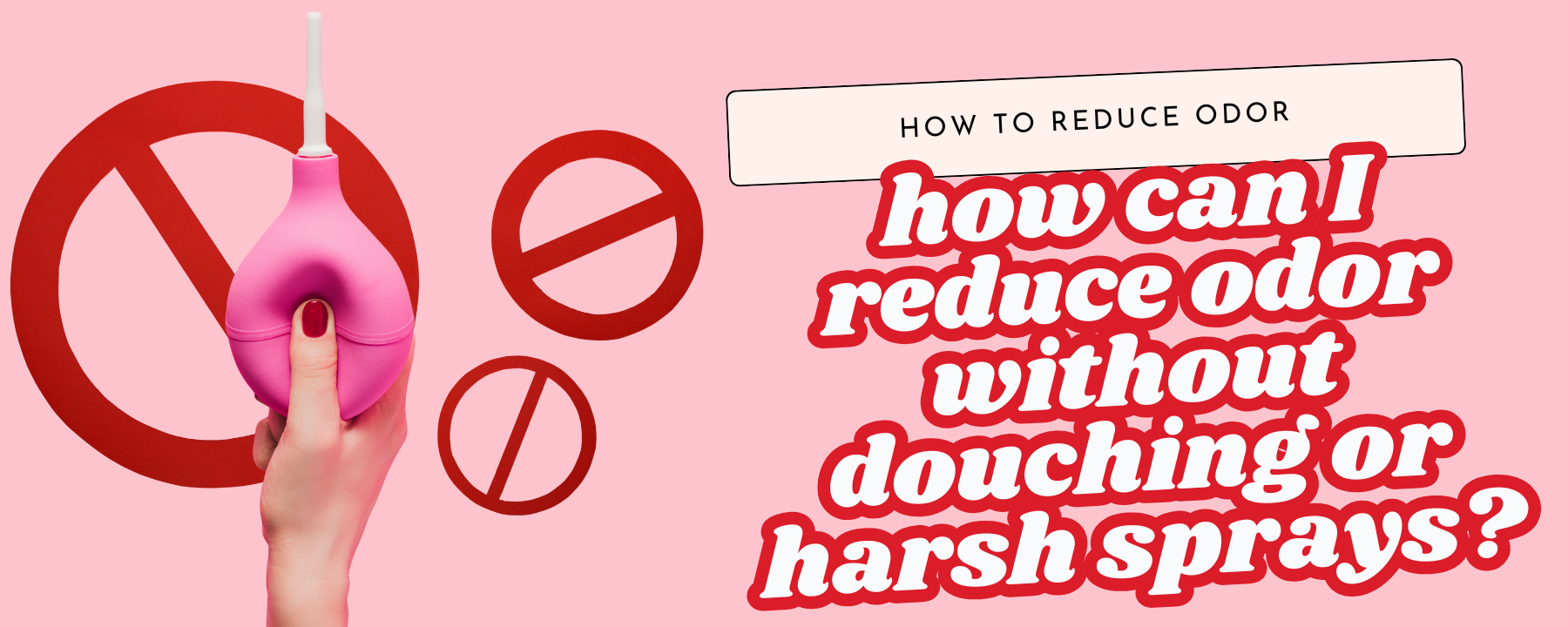
How Can I Reduce Odor Without Douching or Harsh Sprays?
To reduce odor without douching or perfume, keep care external-only: rinse with water, use a pea-size fragrance-free, pH-considerate wash on the vulva only, manage moisture (change damp clothes, breathable cotton), and use alcohol-free wipes between rinses. Fishy + thin gray, intense itch + clumps, green/yellow, pain/fever, or forgotten tampon = clinician. Recurrent BV/yeast? Ask about clinician-guided boric acid.
What Causes Sudden Vaginal Odor Changes, and When Is It a Red Flag?
Sudden odor often has benign causes—period blood, sweat, new workout gear, or sex. Fishy odor with thin gray discharge points to BV; yeasty/bready odor with itch and clumpy discharge points to yeast. Strong, foul, persistent odor, fever/pain, or retained tampon are red flags. Keep care external-only; don’t douche.

How Do I Patch-Test a New Intimate Product?
To patch-test an intimate product, put a pea-size amount on your inner forearm for 60 minutes, rinse, and wait 24 hours. If clear, repeat on your inner thigh (24 hours). If still clear, try a tiny amount on the external vulvar edge, rinse well, and observe 24–48 hours. Stop at the first sign of stinging, burning, or rash.
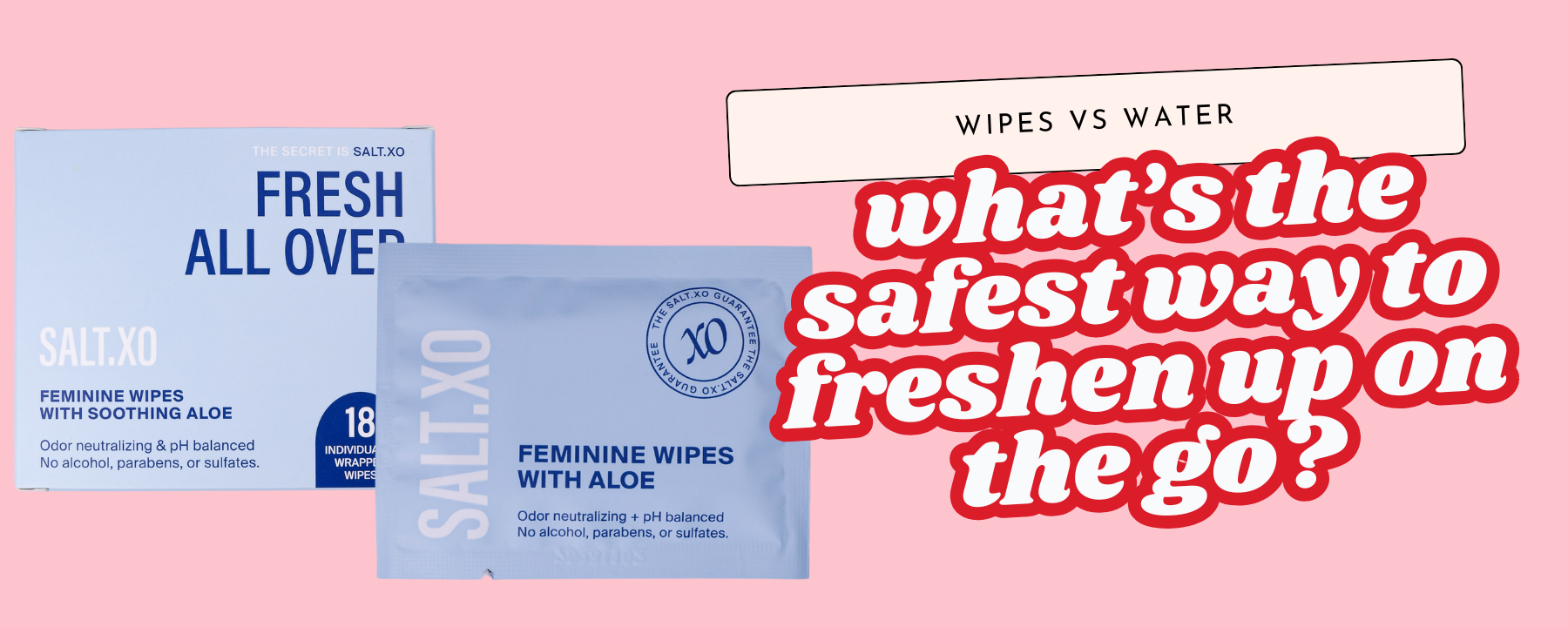
What’s the Safest Way to Freshen Up On the Go (Wipes vs Water)?
Water is safest when you can rinse. Between sinks, use alcohol-free, gentle wipes on the external vulva only, then switch to water ASAP. Avoid douching, harsh fragrance, and alcohol. Pat dry, change damp clothes quickly, and see a clinician if you notice strong odor, unusual discharge, or persistent irritation.
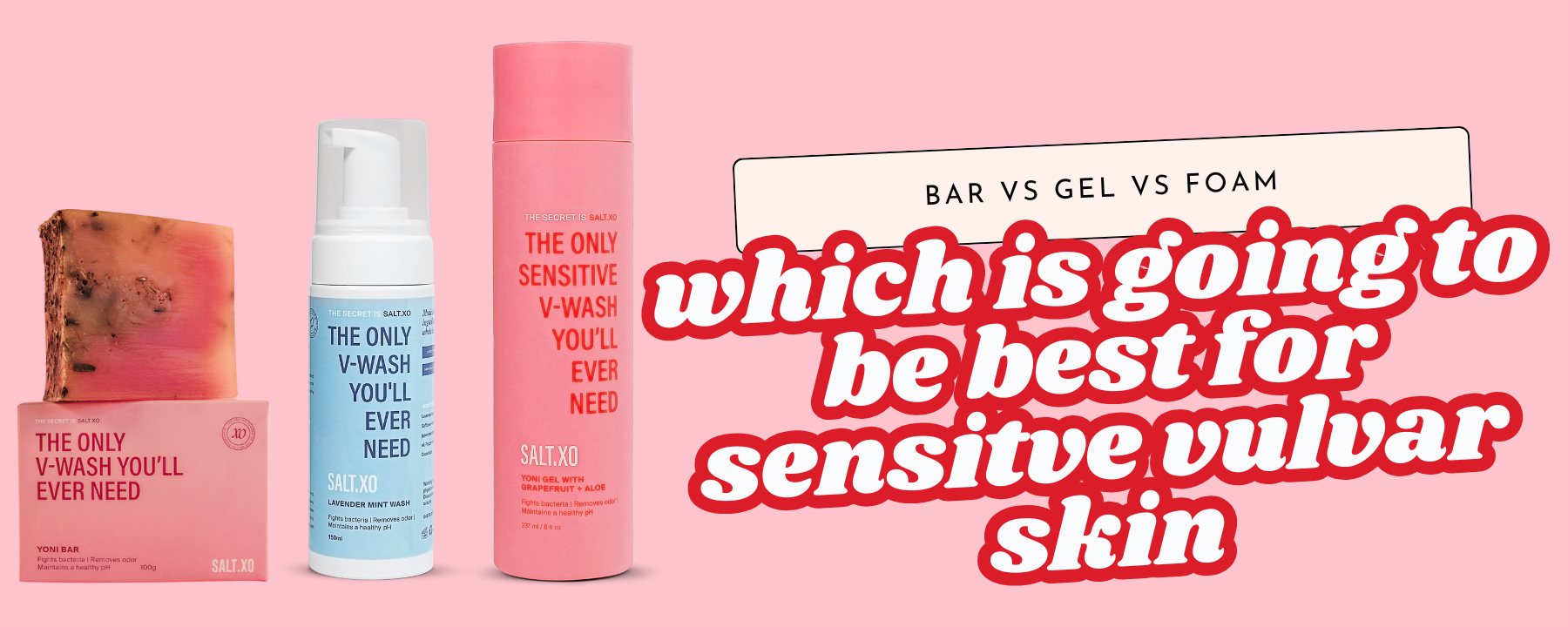
Bar vs. Gel vs. Foam: Which Cleanser Type Is Best for Sensitive Vulvar Skin?
For sensitive vulvar skin, a fragrance-free, pH-considerate gel used externally only is the safest default. Syndet bars can be gentle if non-drying; foams may feel soft but can leave skin drier. Avoid fragrance, alcohol, and harsh surfactants. Patch test first, rinse well, and never wash inside the vagina.

Is It Okay to Use Feminine Wash as a Teen, or Should I Stick to Water?
For teens, water is enough for daily vulva care. If you choose a product, use a fragrance-free, pH-considerate wash on the external skin only—never inside the vagina—and rinse well. Skip douching and perfumed sprays, manage moisture (breathable cotton), and see a clinician for strong odor, pain, fever, or unusual discharge.
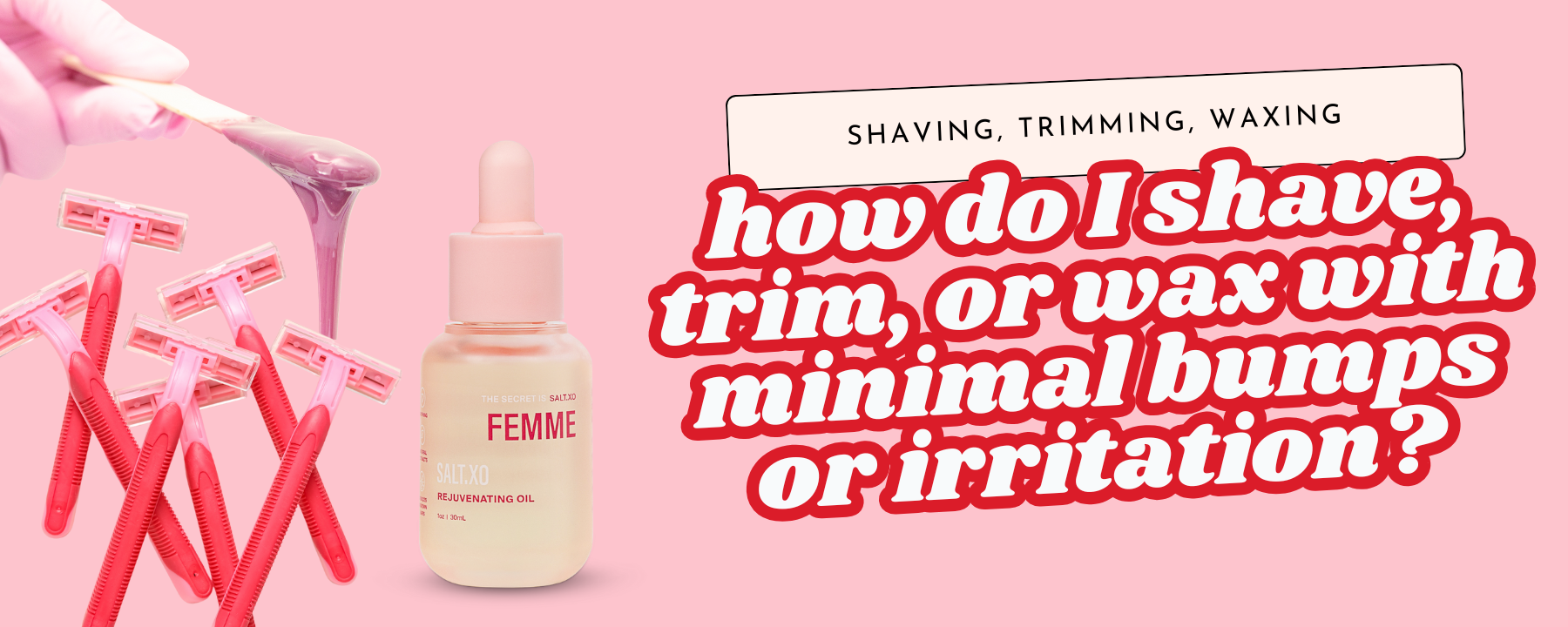
How Do I Shave, Trim, or Wax with Minimal Bumps or Irritation?
For minimal bumps: trim or shave with the grain, use a sharp single-use blade or guarded trimmer, cleanse external skin only, use a slip-friendly shave medium, rinse well, then pat dry and apply a soothing, fragrance-free post-care oil/gel. Wear breathable underwear and avoid tight/damp fabrics. Never use depilatories on mucosa.

BV vs. yeast infection: how can I tell the difference?
BV usually causes a thin gray/white discharge with a strong fishy odor and a vaginal pH above 4.5, with little or no itch. Yeast infections often cause intense vulvar itch, redness, and thick “cottage-cheese” discharge, with normal pH (≤4.5). Testing and diagnosis come from a clinician; skip douching.
How do I cleanse after sex to reduce irritation without disrupting pH?
Rinse the vulva (outside only) with warm water, then pat dry. If you want a cleanser, use a fragrance-free, pH-considerate wash sparingly—never douche. Urinate soon after sex, swap damp fabrics for breathable underwear, and skip perfumed sprays. See a clinician for strong odor, unusual discharge, pain, or fever.

Is It Normal for My Labia to Look Different or Asymmetrical?
Yes. Labia commonly differ in size, shape, and color—one side longer or darker is usually normal anatomy. See a clinician if you have new pain, swelling, sores, a rapidly growing lump, discharge with odor, or fever. For everyday comfort, use external-only, fragrance-free care and manage moisture and friction.

What does “balanced flora” mean, and how do I support it?
How Often Should I Wash My Vulva? Is Water Enough?
Once daily is enough for most people—external skin only—using warm water and clean hands. If you prefer a cleanser, choose a fragrance-free, pH-considerate wash and use it sparingly. After workouts, periods, or sex, rinse externally and pat dry. Never douche or wash inside the vagina.
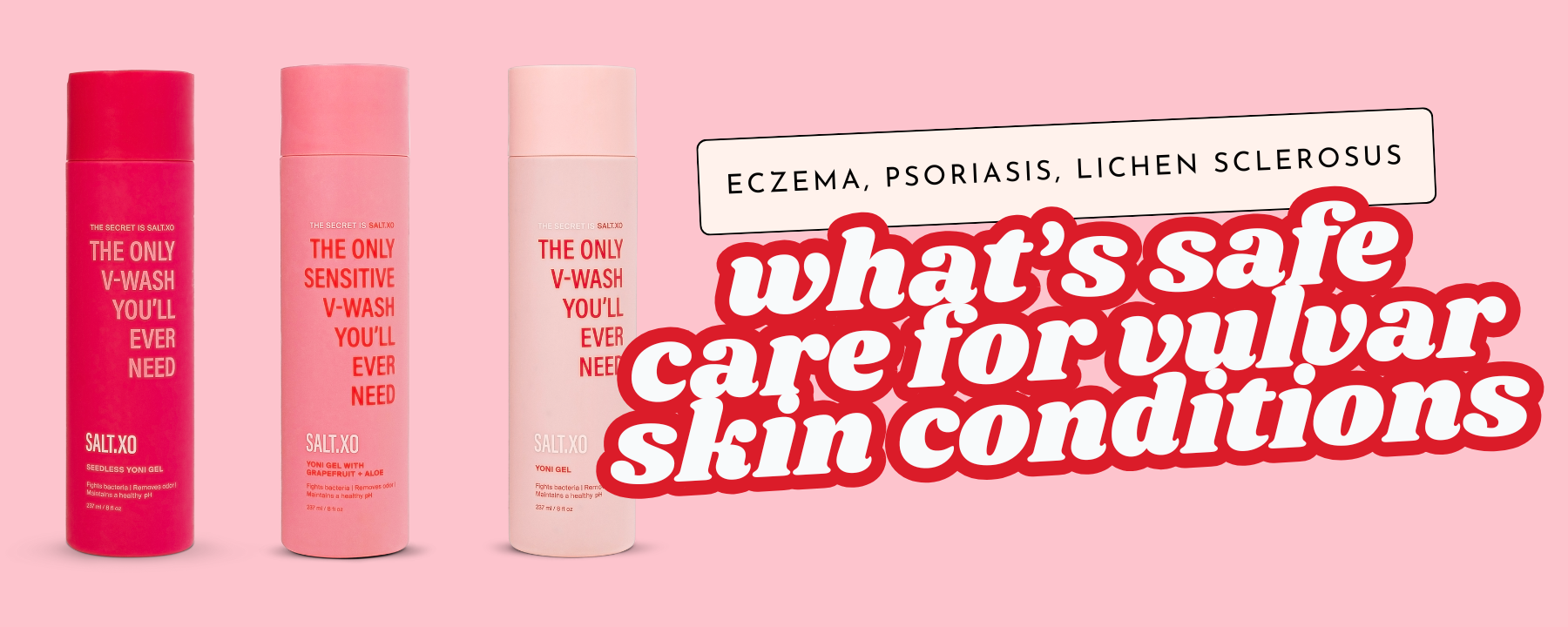
What’s Safe Care for Vulvar Skin Conditions (Eczema, Psoriasis, Lichen Sclerosus)?
-
External-only routine: water → mild fragrance-free cleanse (optional) → thin layer of petrolatum or zinc oxide.
-
Avoid fragrance, dyes, harsh surfactants, essential oils, scrubs, powders, and deodorant sprays on the vulva.
-
Moisture and friction management are as important as products.
-
Lichen sclerosus (LS) is medical—get diagnosed and treated, then use bland emollients as supportive care.
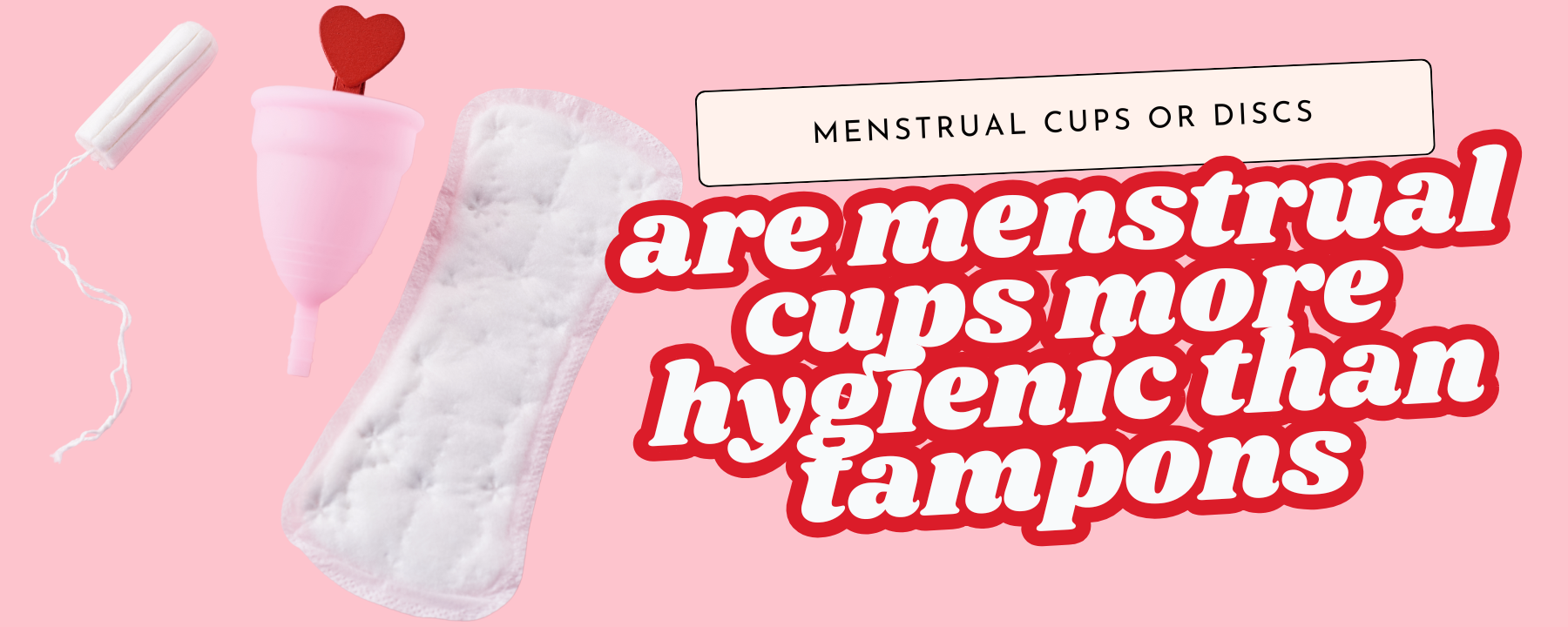
Are Menstrual Cups or Discs More Hygienic Than Pads/Tampons?
Does Lactation or Postpartum Hormone Shift Change pH or Odor?
-
Postpartum/lactation hormones can shift pH, moisture, and scent—often temporary.
-
Use external-only cleansing, breathable fabrics, and moisture-control habits.
-
Red flags (foul odor, fever, pelvic pain, unusual discharge/bleeding) → clinician.
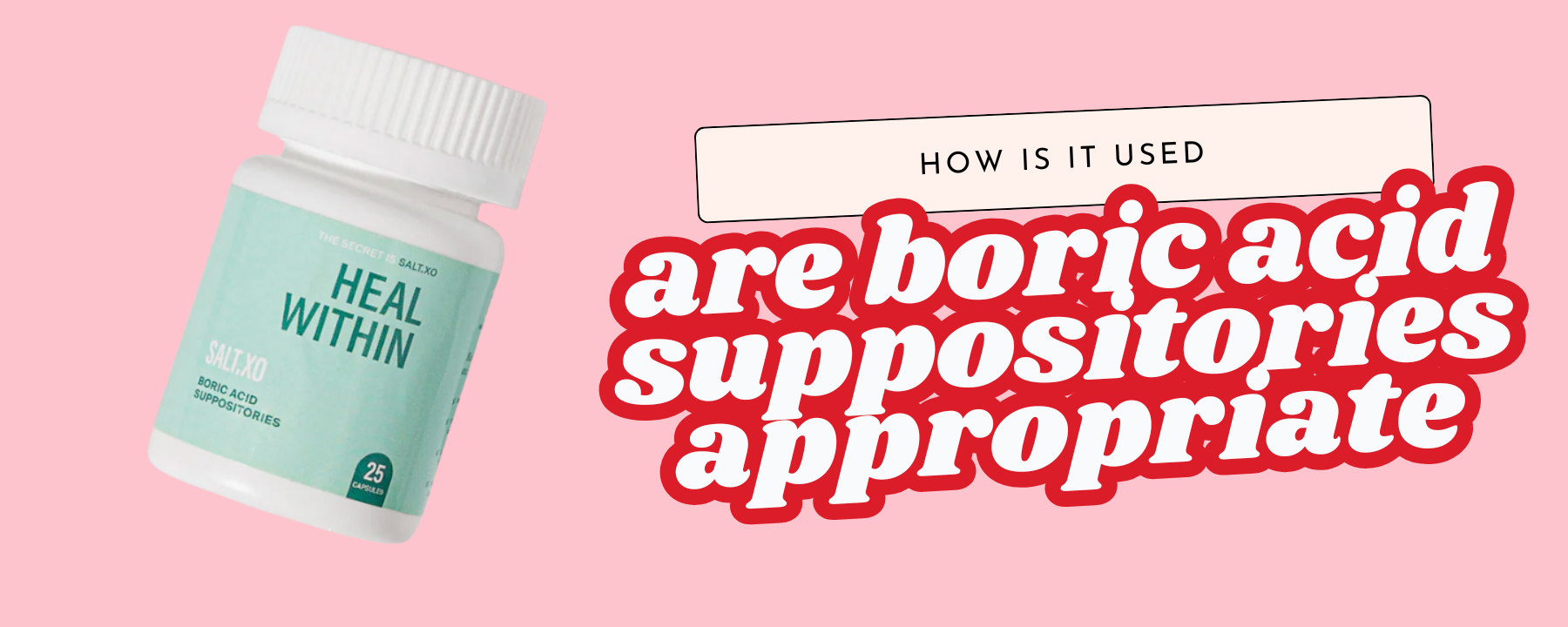
When Are Boric Acid Suppositories Appropriate—and How Are They Used?
-
Best evidence: recurrent vulvovaginal candidiasis (esp. non-albicans species) → 600 mg nightly for 14–21 days per clinician. CDC+1
-
BV: may be used with standard antibiotics for recurrent cases; evidence is evolving—use only under clinician direction. Cleveland Clinic+1
-
Safety: Not for pregnancy; toxic if swallowed—call Poison Control 1-800-222-1222 after any ingestion. ARUP Laboratories+1

Are Feminine Deodorant Sprays Safe—or Do They Irritate the Vulva?
-
Sprays often irritate; they don’t fix the cause of odor.
-
Keep care external-only, fragrance-light (or fragrance-free), and breathable.
-
New/persistent odor, unusual discharge, itching, pain, or bleeding = see a clinician.
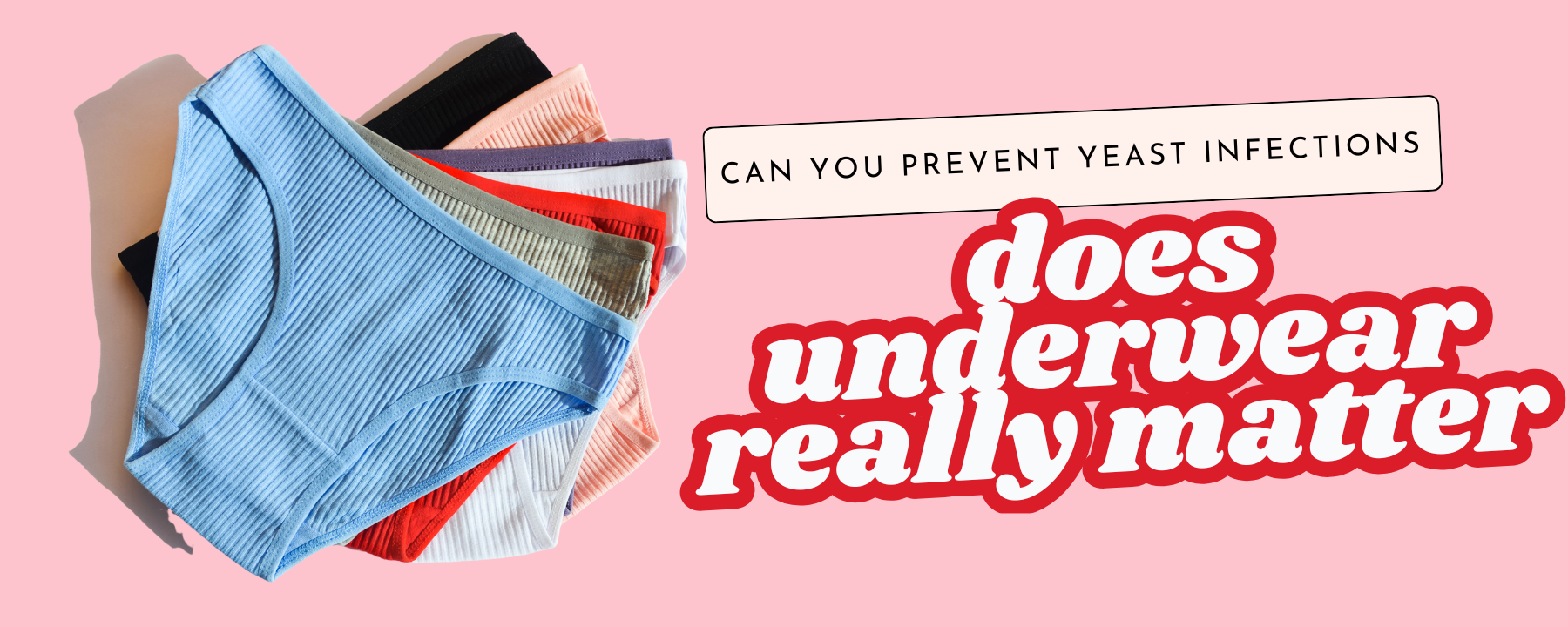
Can I Prevent Yeast Infections Through Underwear Choice and Moisture Control?
-
Breathable underwear + quick moisture control = lower yeast risk.
-
Change out of sweaty leggings or wet swimsuits promptly; pat the external area dry.
-
Use gentle external-only cleansing; avoid douching and perfumed sprays.
-
Recurrent symptoms deserve a clinician visit.

Should I Use Washcloths, Loofahs, or Hands Only on the Vulva?
-
Hands or soft washcloth = yes (external only).
-
Loofahs/poufs = no on the genital area (bacteria + abrasion).
-
The vagina is self-cleaning—do not wash inside or douche.
-
If you notice strong new odor, unusual discharge, itching, pain, or bleeding, see a clinician.
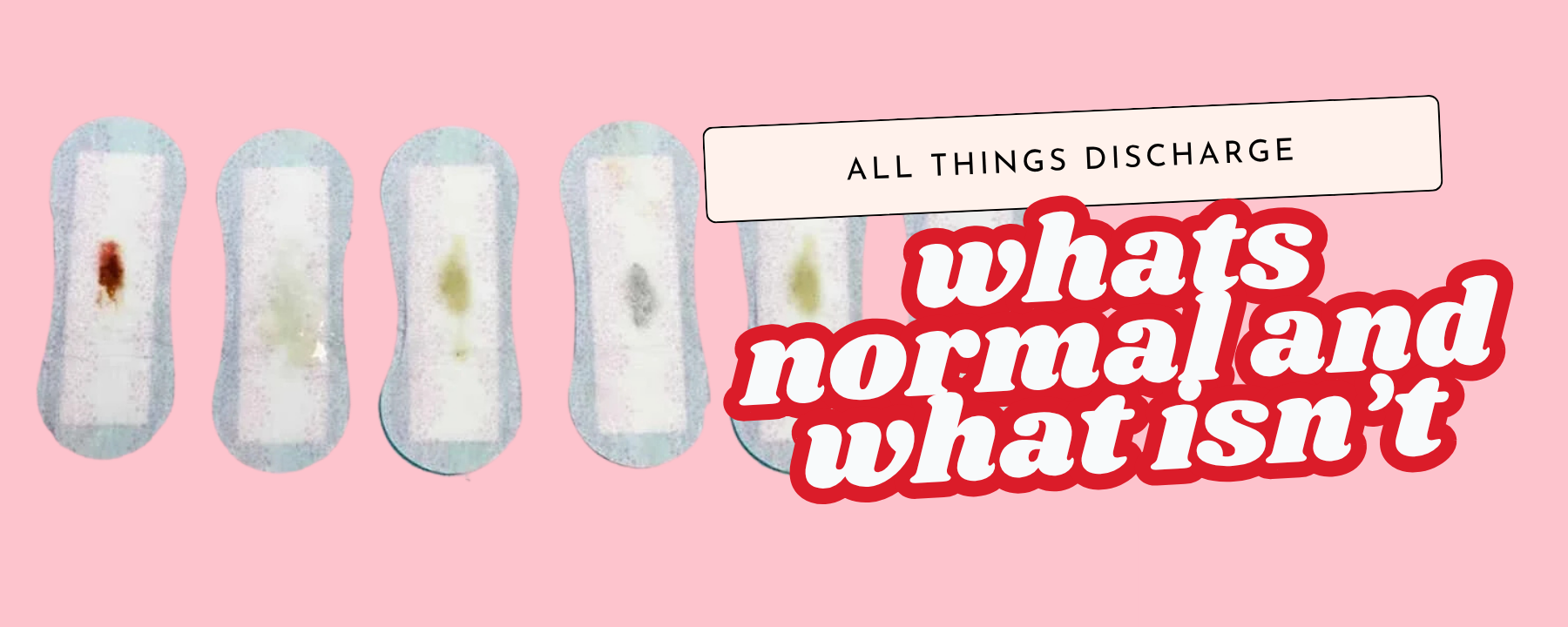
What’s “Normal” Discharge Color/Texture—and What Isn’t?
-
Normal: clear→milky white; mild scent; texture varies during the cycle.
-
Not normal: gray/fishy (BV), thick white + itch (yeast), green/yellow frothy (trich).
-
Do: gentle external cleansing only (never inside); avoid douching; call a clinician for persistent changes.
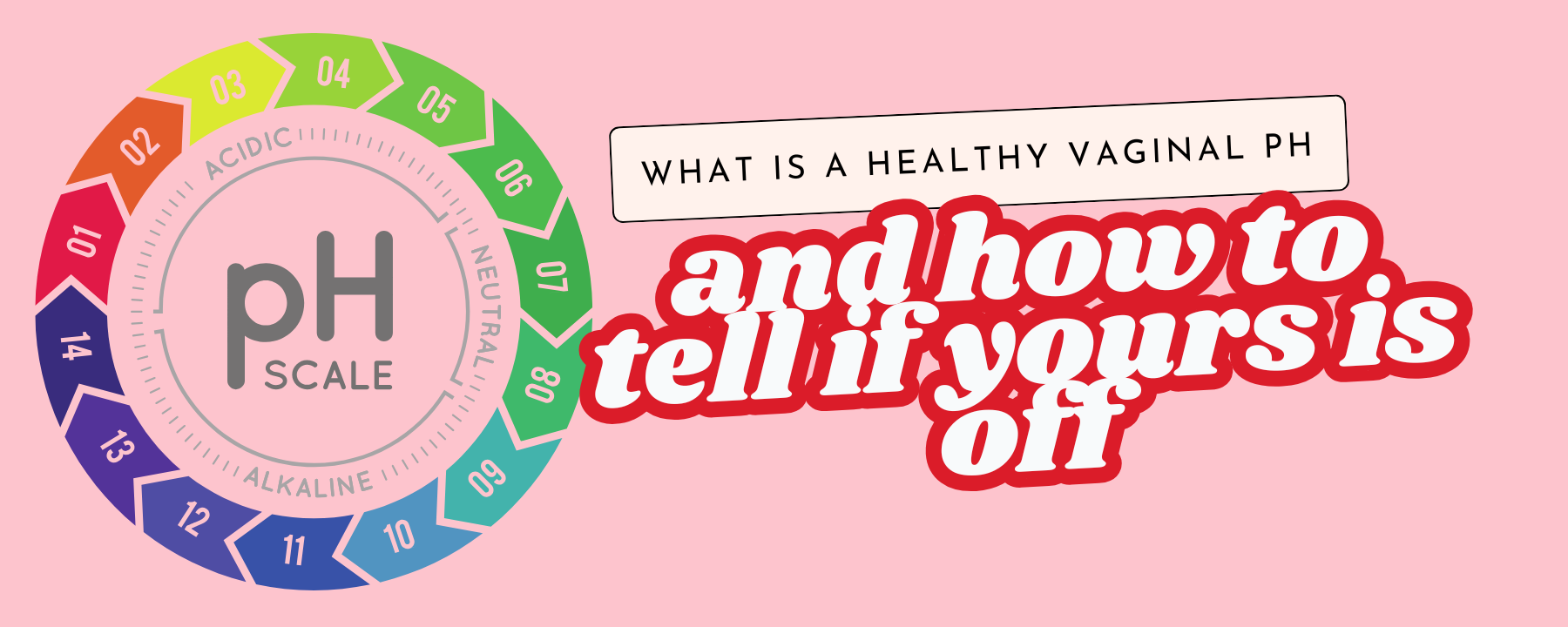
What Is a Healthy Vaginal pH (and How to Tell If Yours Is Off)?
TL;DR
-
Healthy vaginal pH: roughly 3.8–4.5 in reproductive years.
-
Common disruptors: semen, menstrual blood, antibiotics, hormonal shifts.
-
Do: cleanse externally and gently; wear breathable fabrics; get evaluated for persistent symptoms. Don’t: douche or mask odor with fragranced sprays.

What’s the Difference Between the Vulva and the Vagina (and What Needs Washing)?
Understanding Ingredients To Fight Acne
Unmasking the Truth About Vaginal Odor

Period Pain or Period Power? 🩸 Have we normalized the "bad" period?
The Truth About Sweat and Vaginal Health: Is Sweat the "Bad Guy"?