
To BV or Not To BV 👀 The pitfalls of self-diagnosis
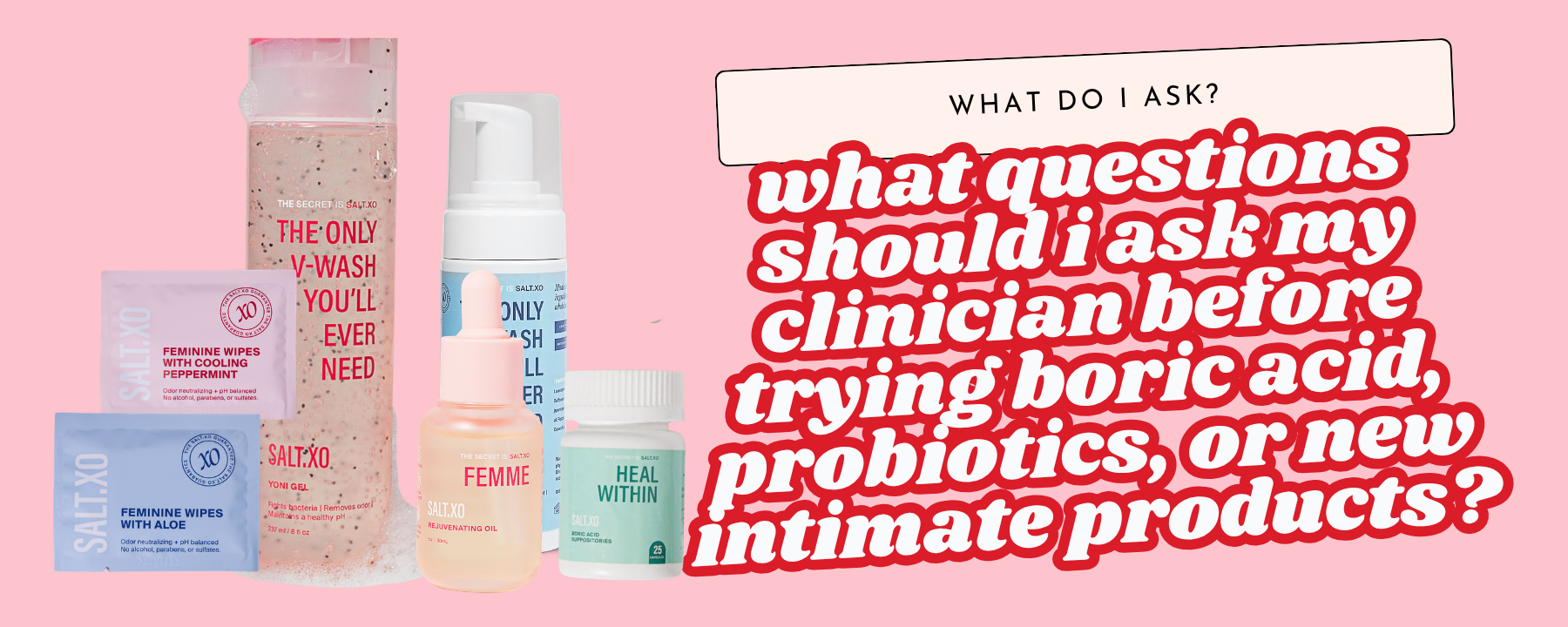
What Questions Should I Ask My Clinician Before Trying Boric Acid, Probiotics, or New Intimate Products?
Before trying boric acid, probiotics, or a new intimate product, ask your clinician: “What’s the diagnosis (BV, yeast, STI, dermatitis)? What test confirms it? Is boric acid appropriate for me—especially if pregnant? What are side effects and stop signs? Which probiotic strains and dose have evidence? What’s safe externally while I treat the cause?”
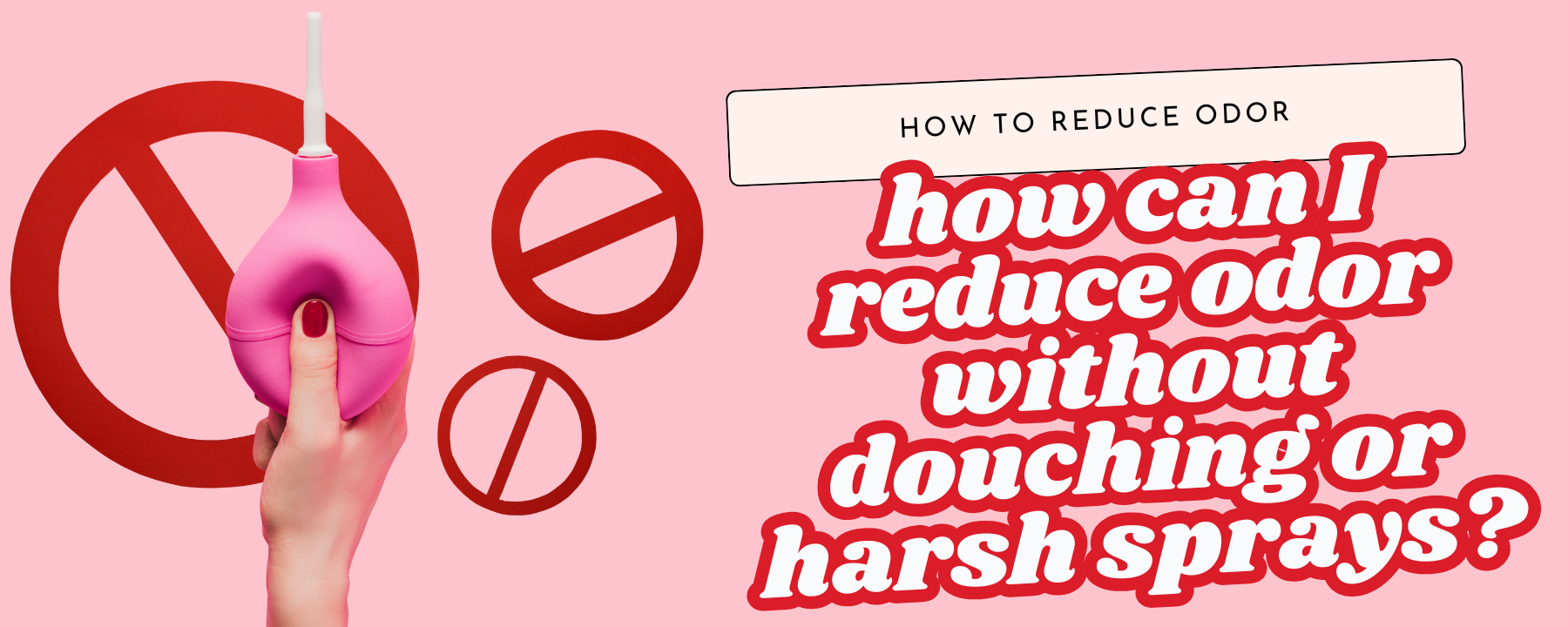
How Can I Reduce Odor Without Douching or Harsh Sprays?
To reduce odor without douching or perfume, keep care external-only: rinse with water, use a pea-size fragrance-free, pH-considerate wash on the vulva only, manage moisture (change damp clothes, breathable cotton), and use alcohol-free wipes between rinses. Fishy + thin gray, intense itch + clumps, green/yellow, pain/fever, or forgotten tampon = clinician. Recurrent BV/yeast? Ask about clinician-guided boric acid.
What Causes Sudden Vaginal Odor Changes, and When Is It a Red Flag?
Sudden odor often has benign causes—period blood, sweat, new workout gear, or sex. Fishy odor with thin gray discharge points to BV; yeasty/bready odor with itch and clumpy discharge points to yeast. Strong, foul, persistent odor, fever/pain, or retained tampon are red flags. Keep care external-only; don’t douche.
BV vs. yeast infection: how can I tell the difference?
BV usually causes a thin gray/white discharge with a strong fishy odor and a vaginal pH above 4.5, with little or no itch. Yeast infections often cause intense vulvar itch, redness, and thick “cottage-cheese” discharge, with normal pH (≤4.5). Testing and diagnosis come from a clinician; skip douching.