
To BV or Not To BV 👀 The pitfalls of self-diagnosis
What Ingredients Should Intimate Wipes Avoid (Alcohol, Fragrance, Oils)?
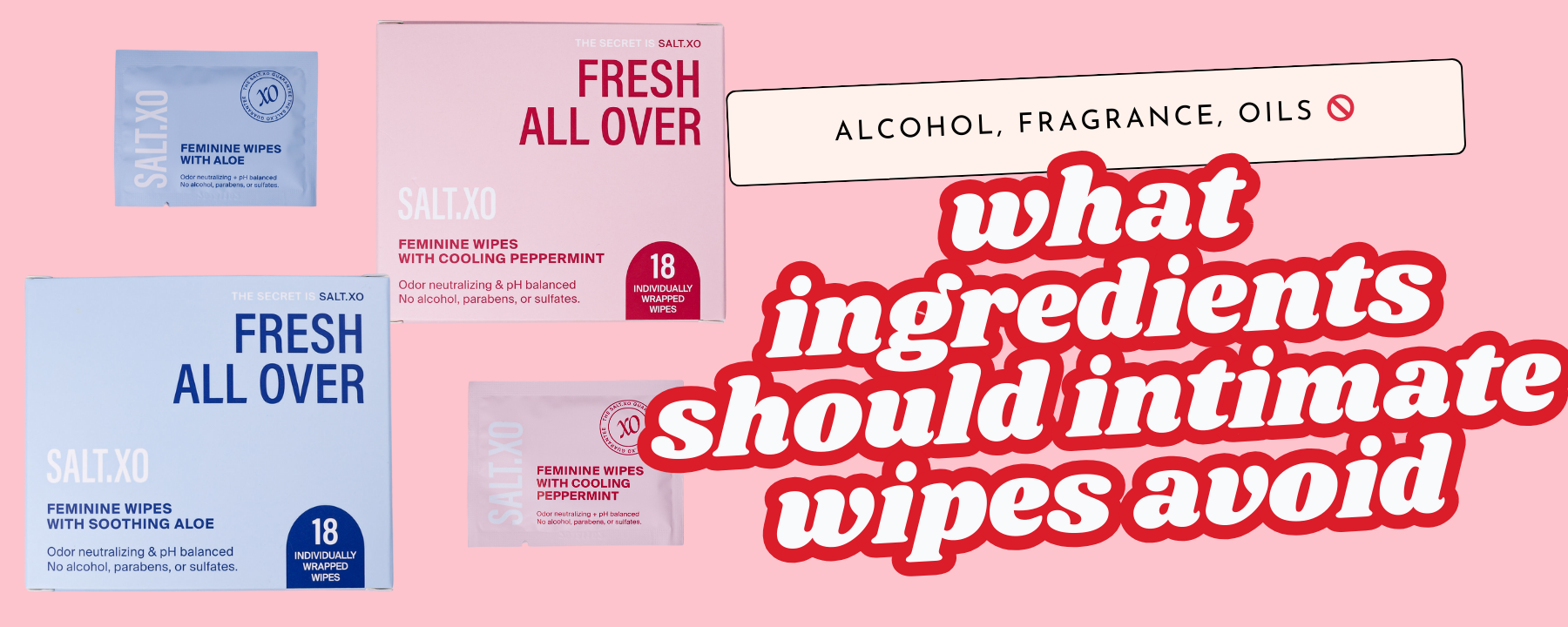
For intimate wipes, avoid alcohol, strong fragrance/perfume, and harsh preservatives that can sting or disrupt balance. Choose alcohol-free, low-residue, pH-considerate wipes with short ingredient lists, and use them externally only as a bridge until you can rinse with water. If a wipe burns, stop, rinse, and patch-test next time.
What Causes Sudden Vaginal Odor Changes, and When Is It a Red Flag?
Sudden odor often has benign causes—period blood, sweat, new workout gear, or sex. Fishy odor with thin gray discharge points to BV; yeasty/bready odor with itch and clumpy discharge points to yeast. Strong, foul, persistent odor, fever/pain, or retained tampon are red flags. Keep care external-only; don’t douche.
How Do I Patch-Test a New Intimate Product?
To patch-test an intimate product, put a pea-size amount on your inner forearm for 60 minutes, rinse, and wait 24 hours. If clear, repeat on your inner thigh (24 hours). If still clear, try a tiny amount on the external vulvar edge, rinse well, and observe 24–48 hours. Stop at the first sign of stinging, burning, or rash.
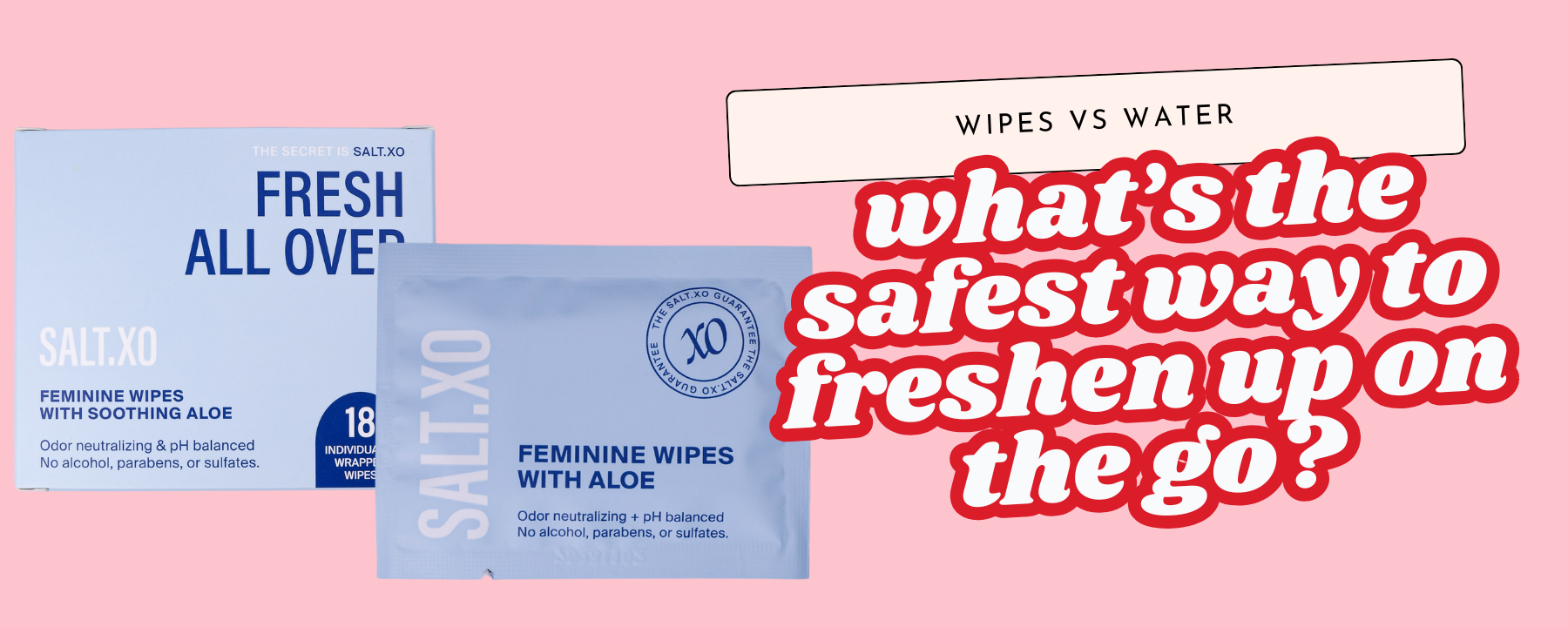
What’s the Safest Way to Freshen Up On the Go (Wipes vs Water)?
Water is safest when you can rinse. Between sinks, use alcohol-free, gentle wipes on the external vulva only, then switch to water ASAP. Avoid douching, harsh fragrance, and alcohol. Pat dry, change damp clothes quickly, and see a clinician if you notice strong odor, unusual discharge, or persistent irritation.